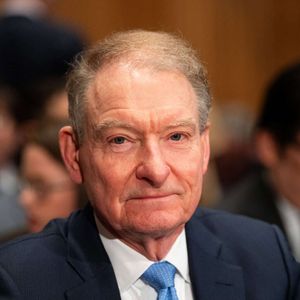
BitcoinWorld SEC Cryptocurrency Regulation Faces Pivotal Week as Chair Paul Atkins Signals Critical Developments WASHINGTON, D.C. – March 2025 marks a potentially transformative period for digital asset regulation as Securities and Exchange Commission Chair Paul Atkins declares this week crucial for cryptocurrency oversight. The statement arrives amid ongoing debates about how traditional securities laws apply to blockchain-based assets. SEC Cryptocurrency Oversight Enters Critical Phase Chair Paul Atkins delivered his significant remarks during a financial regulation symposium on Monday. He emphasized that multiple regulatory developments would converge this week. Consequently, market participants should prepare for potential announcements. The cryptocurrency industry has awaited clearer guidance for years. Therefore, this statement carries substantial weight. Atkins previously served as SEC Commissioner from 2002 to 2008. He brings extensive regulatory experience to his current role. His appointment in early 2025 signaled a potential shift in the Commission’s approach. The financial markets have closely monitored his statements since his confirmation. Historical Context of Crypto Regulation The SEC’s involvement with digital assets began nearly a decade ago. Initially, the Commission focused on fraudulent initial coin offerings. Subsequently, enforcement actions increased significantly. The Howey Test remains the primary framework for determining whether assets qualify as securities. However, applying this 1946 Supreme Court precedent to modern blockchain technology presents challenges. Several landmark cases have shaped the regulatory landscape: SEC v. Ripple Labs (2023): Established distinctions between institutional sales and secondary market transactions SEC v. Coinbase (2024): Addressed exchange operations and staking services Multiple ETF approvals (2024-2025): Gradually opened institutional investment pathways These developments created a complex regulatory patchwork. Market participants have consistently requested clearer guidelines. Chair Atkins’ statement suggests potential progress toward that objective. Expert Perspectives on Regulatory Timing Financial regulation experts note several converging factors. First, legislative proposals have advanced through congressional committees. Second, international standards have gained broader acceptance. Third, market maturity has reduced some regulatory concerns. These elements create a favorable environment for policy announcements. Professor Elena Rodriguez of Georgetown Law Center explains the significance. “Regulatory clarity typically follows market stabilization,” she observes. “The cryptocurrency sector demonstrated remarkable resilience through recent volatility. Therefore, regulators now possess sufficient data for informed decision-making.” Industry representatives echo this assessment. Blockchain Association CEO Sarah Chen notes, “Constructive dialogue has intensified throughout 2025. We anticipate frameworks that protect investors while fostering innovation.” Potential Regulatory Outcomes and Impacts Several regulatory actions could materialize this week. The Commission might issue new guidance on token classification. Alternatively, it could approve additional exchange-traded products. Enforcement priorities might also receive clarification. Each possibility carries distinct market implications. The following table outlines potential regulatory actions and their likely effects: Potential Action Description Market Impact Token Classification Framework Clear criteria distinguishing securities from commodities Reduced regulatory uncertainty for projects Exchange Regulation Updates Revised rules for cryptocurrency trading platforms Improved consumer protection standards Custody Rule Modifications Updated requirements for asset safeguarding Enhanced institutional participation Staking Service Guidance Clarification on proof-of-stake regulatory treatment Continued network security innovation Market analysts predict positive reactions to regulatory clarity. However, excessive restrictions could temporarily dampen innovation. The Commission likely seeks balanced approaches. Previous statements from Chair Atkins suggest moderate regulatory philosophies. International Regulatory Coordination Efforts Global regulatory harmonization has accelerated throughout 2024. The Financial Stability Board published final recommendations last October. Additionally, the International Organization of Securities Commissions established working groups. These efforts aim to reduce jurisdictional arbitrage opportunities. European Union markets implemented MiCA regulations in 2024. Asian jurisdictions have adopted varied approaches. Japanese authorities maintain progressive frameworks. Meanwhile, Singapore continues refining its payment services regulations. The United States often influences global standards. Therefore, SEC actions attract international attention. Coordinated regulation benefits multinational enterprises. It reduces compliance complexities across jurisdictions. Furthermore, it minimizes regulatory gaps that bad actors might exploit. Chair Atkins has emphasized international cooperation during previous speeches. Technological Considerations for Regulators Blockchain technology continues evolving rapidly. Regulators must understand technical fundamentals. Decentralized finance protocols present particular challenges. Automated smart contracts execute without intermediaries. Traditional regulatory models assume centralized control points. SEC staff have enhanced their technical capabilities significantly. The Commission established a dedicated digital assets unit in 2022. This unit has expanded its expertise continuously. Technological understanding informs proportionate regulatory responses. Industry technologists have engaged constructively with regulators. Ethereum Foundation researchers participated in technical briefings last month. Similarly, Solana developers demonstrated protocol mechanics. These educational efforts facilitate informed policymaking. Market Preparation and Institutional Readiness Financial institutions have prepared for regulatory developments throughout 2025. Major banks established cryptocurrency custody services. Asset managers launched additional digital asset products. Insurance companies developed specialized coverage options. This institutional infrastructure supports broader market participation. It also demonstrates growing mainstream acceptance. Regulatory clarity typically accelerates institutional adoption. Clear rules reduce compliance uncertainties for traditional finance entities. Retail investors also benefit from enhanced protections. Fraudulent schemes become more difficult to execute under robust frameworks. Consumer education initiatives have expanded concurrently. The SEC’s investor education website added cryptocurrency sections last quarter. Conclusion SEC Chair Paul Atkins has identified this week as potentially transformative for cryptocurrency regulation. His statement reflects accumulated regulatory experience and market developments. The cryptocurrency industry awaits possible guidance announcements. Market participants should monitor Commission communications closely. Regulatory clarity typically benefits legitimate projects while constraining fraudulent activities. The coming days may establish clearer pathways for digital asset innovation within appropriate guardrails. FAQs Q1: What specifically did SEC Chair Paul Atkins say about cryptocurrency this week? Chair Atkins stated that this week would be “important” for cryptocurrency regulation during a financial symposium, suggesting multiple regulatory developments might converge. Q2: Why is this statement significant for the cryptocurrency market? The statement signals potential regulatory clarity after years of uncertainty, which could influence investment decisions, project development, and institutional participation in digital assets. Q3: What regulatory actions might the SEC take regarding cryptocurrency? Possible actions include issuing token classification guidance, updating exchange regulations, modifying custody rules, or clarifying staking service treatments under securities laws. Q4: How does U.S. cryptocurrency regulation compare internationally? The U.S. has taken a more gradual approach than the EU’s comprehensive MiCA framework, but recent developments suggest increasing regulatory coordination across major jurisdictions. Q5: What should cryptocurrency investors and projects do in response to this news? Market participants should monitor official SEC communications, review compliance procedures, and prepare for potential regulatory changes that could affect operations or investment strategies. This post SEC Cryptocurrency Regulation Faces Pivotal Week as Chair Paul Atkins Signals Critical Developments first appeared on BitcoinWorld .