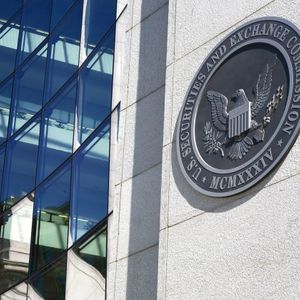
BitcoinWorld Crypto Market Structure Bill Delay Sparks Hope: Expert Calls Pause a ‘Positive Development’ for Industry In a surprising turn for U.S. cryptocurrency policy, a prominent market analyst has framed the recent legislative slowdown not as a setback, but as a crucial opportunity. Michaël van de Poppe, a widely-followed crypto trader and commentator, has publicly stated that the halted progress on the contentious U.S. crypto market structure bill, known as the CLARITY Act, represents a positive development for the market’s long-term health. This perspective, shared in late 2024, challenges the narrative that regulatory speed is always beneficial, suggesting instead that deliberate, collaborative drafting is paramount. Understanding the CLARITY Act and Its Stalled Progress The Crypto-Asset Regulatory Legislation for Innovation and Technology (CLARITY) Act aims to establish a comprehensive federal framework for digital asset markets in the United States. Its core objectives include defining regulatory jurisdiction between the Securities and Exchange Commission (SEC) and the Commodity Futures Trading Commission (CFTC), creating clear rules for trading platforms, and providing consumer protections. However, the bill’s journey through Congress has faced significant hurdles, leading to its current stalled state. Van de Poppe argues this pause is advantageous. He contends that passing the bill in its earlier form could have negatively impacted market innovation and growth. The delay now allows for renewed, substantive discussions between lawmakers, regulatory authorities, and key industry stakeholders. This collaborative window is essential for crafting legislation that balances robust oversight with the need to foster technological advancement and maintain U.S. competitiveness in the global digital economy. A Comparative Lens: Lessons from the EU’s MiCA Regulation To support his viewpoint, van de Poppe draws a direct comparison to the European Union’s landmark Markets in Crypto-Assets (MiCA) regulation. MiCA did not emerge overnight; it underwent several years of intense negotiation, multiple drafts, and revisions based on extensive feedback from across the financial and technology sectors. This iterative process, while time-consuming, ultimately produced a more nuanced and widely accepted regulatory framework that launched in 2024. The MiCA timeline provides a critical blueprint: 2020: Initial proposal by the European Commission. 2021-2023: Multiple rounds of trilogue negotiations between the Commission, Parliament, and Council. 2023: Final political agreement and formal adoption. 2024: Phased implementation begins. This measured approach allowed for the incorporation of diverse perspectives and addressed complex issues like stablecoin oversight and environmental disclosures. Van de Poppe suggests the U.S. is now in a similar, necessary phase of refinement. Industry Pushback and the Path to Renegotiation The call for a legislative pause gained substantial momentum following public criticism from major industry players. Notably, cryptocurrency exchange Coinbase withdrew its support for the bill’s then-current version, labeling specific provisions as “problematic” and potentially harmful to innovation. This move signaled deep concerns within the sector about the practical implications of the proposed rules. Subsequently, reports emerged that the White House might also reconsider its stance if industry engagement faltered. However, Coinbase CEO Brian Armstrong clarified that discussions with policymakers remained constructive and ongoing, dispelling notions of a complete breakdown. This dialogue appears to have catalyzed action; bipartisan renegotiations of the CLARITY Act are now reportedly underway, with lawmakers seeking to bridge gaps between regulatory goals and operational realities. The Broader Impact of Regulatory Deliberation The delay in the crypto market structure bill has immediate and long-term ramifications. In the short term, it extends a period of regulatory uncertainty for U.S.-based crypto firms, which must continue operating under a patchwork of state laws and evolving federal guidance. Conversely, it prevents the rapid enactment of rules that the industry fears could be overly restrictive or poorly tailored. From a market perspective, van de Poppe’s analysis suggests that a well-considered bill can provide the “regulatory clarity” its name promises, potentially boosting investor confidence and institutional adoption. A rushed bill, in contrast, might create new ambiguities or compliance burdens that stifle activity. The goal is to avoid reactive legislation and instead build a durable framework capable of adapting to the fast-evolving digital asset landscape. Conclusion The stalled progress on the U.S. crypto market structure bill, far from being a mere legislative logjam, is increasingly viewed by experts as a vital period of recalibration. As evidenced by the European Union’s MiCA process, thorough deliberation and inclusive stakeholder feedback are often prerequisites for effective, forward-looking regulation. The current pause allows U.S. lawmakers to integrate critical industry insights and craft a more balanced CLARITY Act. This approach aims to secure America’s position in the global cryptocurrency arena while establishing clear, fair rules for all market participants. The ultimate success of the bill may hinge on this very delay. FAQs Q1: What is the CLARITY Act? The CLARITY Act is a proposed U.S. law designed to create a comprehensive federal regulatory framework for cryptocurrencies and digital assets, clarifying roles for the SEC and CFTC. Q2: Why did Coinbase withdraw support for the bill? Coinbase expressed concerns that certain provisions in the earlier version of the bill were problematic and could inadvertently hinder innovation and growth in the crypto sector. Q3: How does the EU’s MiCA regulation relate to the U.S. bill? MiCA is the EU’s comprehensive crypto regulation that took years of negotiation. Experts cite it as a model showing the value of a deliberate, iterative legislative process, which the U.S. may now be emulating. Q4: What happens while the bill is delayed? The U.S. cryptocurrency industry continues to operate under existing state regulations and federal guidance from agencies like the SEC and CFTC, amidst ongoing uncertainty. Q5: Could this delay actually benefit the crypto market? Analysts like Michaël van de Poppe argue yes, as it allows time for improved dialogue between regulators and the industry, potentially leading to more effective and balanced legislation. This post Crypto Market Structure Bill Delay Sparks Hope: Expert Calls Pause a ‘Positive Development’ for Industry first appeared on BitcoinWorld .