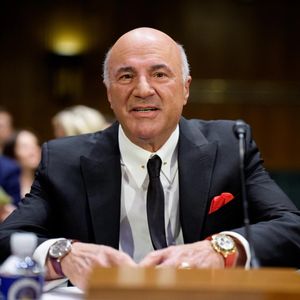
BitcoinWorld Eric Trump Crypto Legislation Claims: Banks Allegedly Obstructing Digital Asset Regulation In a revealing Fox Business interview this week, Eric Trump made explosive claims about banking industry opposition to cryptocurrency legislation, sparking immediate debate about the future of digital asset regulation in the United States. The second son of former President Donald Trump asserted that traditional financial institutions are actively working to block comprehensive crypto legislation, according to reports from financial news outlet Watcher.Guru. This development comes at a critical juncture for cryptocurrency regulation, as lawmakers grapple with balancing innovation against financial stability concerns. Eric Trump’s Crypto Legislation Allegations Explained Eric Trump specifically claimed during his March 2025 interview that major banking institutions are “doing everything they can” to prevent the passage of cryptocurrency-related legislation. His comments emerged during a broader discussion about financial innovation and regulatory frameworks. Meanwhile, these allegations arrive amidst ongoing Congressional debates about multiple cryptocurrency bills currently under consideration. The claims suggest significant institutional resistance to regulatory clarity for digital assets. Financial analysts note that banking industry lobbying expenditures reached record levels in 2024. Consequently, these allegations merit serious examination. Traditional banks have historically expressed concerns about cryptocurrency competition and regulatory arbitrage. However, recent years have shown increasing bank involvement in blockchain technology and digital asset custody services. This creates apparent contradictions in industry positioning that require deeper analysis. Banking Industry’s Historical Stance on Cryptocurrency The banking sector’s relationship with cryptocurrency has evolved significantly since Bitcoin’s 2009 creation. Initially, most major banks dismissed digital assets as speculative instruments with limited practical application. Subsequently, blockchain technology gained recognition for its potential to streamline financial operations. Many institutions now maintain dual positions: publicly cautious about retail cryptocurrency trading while privately investing in blockchain infrastructure. Several banking associations have submitted formal comments to regulatory agencies regarding proposed cryptocurrency rules. Their statements typically emphasize consumer protection, anti-money laundering compliance, and financial stability concerns. For instance, the American Bankers Association’s 2024 position paper highlighted “the need for clear regulatory frameworks that address risks without stifling innovation.” This balanced approach contrasts with Eric Trump’s characterization of outright obstruction. Regulatory Timeline and Legislative Progress Cryptocurrency legislation has followed a complex path through Congress since 2017. The 117th Congress saw introduction of the Digital Commodities Consumer Protection Act. Later, the 118th Congress considered the Responsible Financial Innovation Act. Currently, the 119th Congress has multiple competing proposals under committee review. Banking industry lobbyists have participated in every legislative discussion, advocating for provisions that align with traditional financial oversight models. Key legislative sticking points include: Jurisdictional clarity between SEC and CFTC oversight Consumer protection standards for digital asset exchanges Anti-money laundering requirements for decentralized protocols Tax treatment consistency across different cryptocurrency transactions Bank charter options for cryptocurrency custodians Major Cryptocurrency Legislation in Recent Congresses Bill Name Congress Primary Sponsor Banking Industry Position Digital Commodities Act 117th Sen. Boozman Mixed Support Responsible Innovation Act 118th Sen. Lummis/Gillibrand Cautious Engagement Digital Asset Market Structure 119th Rep. McHenry Active Negotiation Consumer Protection Framework 119th Sen. Warren Strong Support Political Context and Trump Family Involvement Eric Trump’s comments occur within a specific political context. His father, former President Donald Trump, has made increasingly positive statements about cryptocurrency during his 2024 campaign. The former president previously criticized Bitcoin but recently acknowledged its growing importance. Additionally, the Trump campaign began accepting cryptocurrency donations in 2024. This represents a significant shift in Republican Party positioning on digital assets. Political analysts observe that cryptocurrency regulation has become increasingly partisan. Republicans generally favor innovation-friendly frameworks with lighter oversight. Conversely, Democrats typically emphasize consumer protection and systemic risk mitigation. Banking industry lobbying efforts reportedly target both parties, though campaign finance records show slightly higher contributions to Democratic candidates who support stricter regulations. Expert Perspectives on Banking Motivations Financial policy experts offer nuanced interpretations of banking industry behavior. Dr. Sarah Chen, Georgetown University finance professor, explains: “Banks face legitimate concerns about regulatory arbitrage. Cryptocurrency firms might operate under different rules for similar services. However, outright obstruction seems unlikely given increasing bank investments in blockchain technology.” Meanwhile, former FDIC chair Jelena McWilliams suggests alternative explanations: “The banking industry seeks regulatory certainty like everyone else. Their advocacy focuses on ensuring any new framework maintains financial stability standards. This sometimes appears as opposition when it’s actually negotiation.” These expert views provide important context for evaluating Eric Trump’s specific claims. Potential Impacts on Cryptocurrency Innovation Delayed cryptocurrency legislation creates significant uncertainty for industry participants. Startups face challenges securing banking relationships without clear regulatory guidelines. Venture capital investment patterns show sensitivity to regulatory developments. The United States risks falling behind other jurisdictions that have established comprehensive digital asset frameworks. Several countries have implemented clear cryptocurrency regulations: Switzerland established comprehensive blockchain laws in 2021 Singapore created Payment Services Act covering digital assets European Union approved Markets in Crypto-Assets (MiCA) regulation United Kingdom developed phased approach to crypto regulation United Arab Emirates established special economic zones with crypto frameworks American cryptocurrency companies report increasing regulatory arbitrage considerations. Some firms have expanded operations to jurisdictions with clearer rules. This trend concerns policymakers who want to maintain U.S. financial leadership. Banking industry representatives acknowledge these concerns while emphasizing risk management priorities. Conclusion Eric Trump’s claims about banks obstructing crypto legislation highlight ongoing tensions in digital asset regulation. While banking industry advocacy certainly influences legislative processes, characterizing it as obstruction requires careful examination. The complex reality involves legitimate concerns about financial stability, consumer protection, and regulatory consistency. As cryptocurrency continues evolving, balanced legislation that addresses multiple stakeholder interests remains essential. The coming months will reveal whether Eric Trump’s allegations reflect genuine obstruction or standard policy negotiation processes. FAQs Q1: What exactly did Eric Trump claim about banks and cryptocurrency legislation? Eric Trump asserted during a Fox Business interview that banks are “doing everything they can” to block the passage of cryptocurrency-related legislation, suggesting active institutional opposition to regulatory clarity for digital assets. Q2: Why would banks oppose cryptocurrency legislation? Banks might oppose certain legislation due to concerns about regulatory arbitrage, competition from crypto firms operating under different rules, compliance costs, or provisions that could undermine traditional banking advantages in the financial system. Q3: How has the banking industry’s position on cryptocurrency evolved? The industry has shifted from initial dismissal to cautious engagement, with many banks now investing in blockchain technology while advocating for regulations that maintain traditional oversight standards and address perceived risks. Q4: What cryptocurrency legislation is currently under consideration in Congress? The 119th Congress has multiple bills including the Digital Asset Market Structure proposal and various consumer protection frameworks, all addressing different aspects of cryptocurrency regulation and oversight. Q5: How do Eric Trump’s comments fit into broader political discussions about cryptocurrency? His comments reflect increasing Republican engagement with cryptocurrency policy, contrasting with his father’s earlier skepticism and highlighting how digital assets have become a partisan issue with different regulatory approaches proposed by each party. This post Eric Trump Crypto Legislation Claims: Banks Allegedly Obstructing Digital Asset Regulation first appeared on BitcoinWorld .