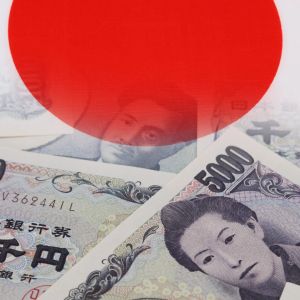
FX desks are opening the week on edge after Japan’s government sent a clear warning that recent currency moves have gone too far, putting traders on alert for possible intervention aimed at stopping the yen slide. Prime Minister Takaichi Sanae said action was on the table if trading turns speculative and abnormal, a line that immediately changed market behavior after weeks of one‑way positioning. Tension spiked late Friday during US trading when dealers said the Federal Reserve Bank of New York reached out to financial institutions to ask about the yen exchange rate. That single move was enough to rattle positions. Japan’s top currency official had already refused earlier that day to say whether Tokyo had carried out its own rate check, keeping markets guessing and pushing volatility higher into the close. US rate checks jolt FX desks and squeeze short positions Talk of intervention gathered pace after reports of the New York Fed’s calls circulated across trading floors. Michael Brown at Pepperstone said rate checks are usually the final warning before action and added that the Takaichi administration shows far less patience for speculative FX moves than past governments. That message landed fast. Traders who had built heavy short exposure were forced to rethink. Short positions linked to the yen had grown to their largest level in more than ten years. As the week ended, the currency swung sharply. It reversed a drop toward levels last seen in 2024 and surged as much as 1.75 percent to 155.63 per dollar. That move marked the biggest one‑day gain since August and left many positions underwater. Takaichi addressed the issue directly on Sunday during a televised debate with party leaders. She said it was not her role to comment on matters decided by markets but stressed that all necessary steps would be taken to deal with speculative and highly abnormal moves. She did not name a specific market, but officials in recent days have flagged risks tied to bond yields as well as the yen. Long‑dated Japanese government bonds had already sent warning signs. Yields on the longest maturities jumped to record highs early last week before pulling back, adding pressure on policymakers as currency swings and debt costs collided. Nick Twidale of AT Global Markets said traders should stay cautious at the Monday open after Takaichi’s comments. He said Japan’s currency could trade near 155 per dollar at the start of the week, a level now watched closely after last week’s violent reversal. Election pressure and US coordination reshape intervention risks The rebound began soon after Bank of Japan Governor Kazuo Ueda wrapped up his post‑decision press conference on Friday. Hours later, finance ministry official Atsushi Mimura declined to say whether authorities had stepped in to support the yen, keeping the door wide open to speculation. Gains accelerated through the US session as Wall Street interpreted the rate checks as groundwork for possible intervention, with some traders even pricing in the chance of US participation. Twidale said the market still wants to stay short but will tread carefully given the official warnings. He added that any confirmed US involvement would have effects far beyond the yen, spilling into global markets. Some traders drew comparisons to the Plaza Accord of 1985, when major economies coordinated to weaken the dollar. Debate around fixing imbalances tied to persistent dollar strength had already surfaced more than a year ago, making the idea less far‑fetched. The US has stepped into currency markets only three times since 1996, according to New York Fed data. The last case came in 2011, when G7 nations sold the yen together after Japan’s earthquake to stabilize trading. Anthony Doyle at Pinnacle Investment Management said Japan cannot fix the yen alone without risking domestic strain or global fallout, which makes coordination more realistic. He said calls from the US Treasury usually signal the story has moved beyond normal FX noise. Tokyo has history here. The government spent nearly $100 billion buying the yen in 2024. Each of the four interventions happened near 160 per dollar, turning that level into an informal trigger point. Homin Lee at Lombard Odier said real action is required if authorities want to anchor USD/JPY and noted that joint steps by Japan and the US would stand out as unusually direct coordination. Lee added that 160 is a clean number that cuts through political noise ahead of Japan’s snap lower‑house election in February. Japan votes on Feb. 8, and Takaichi’s pledge to cut food taxes has already shaken the debt market. The 40‑year bond yield jumped past 4 percent, a level not seen since its 2007 launch and a first for any sovereign maturity in more than thirty years. Don’t just read crypto news. Understand it. Subscribe to our newsletter. It's free .